There is a 16GB one too. It sells for like $300 right now though. As for what you can do with it, one use case would be running something like Proxmox with a few VMs. Myself though I’d rather stick with my N100 system which is also x86.
From my experience with Radxa boards, I don’t think they’re aimed at business users. They’re well-made and powerful for their size, and I 100% love the “let’s see how much stuff we can squeeze into an SBC” energy, but you do need time and some tech knowledge to set them up and iron out the bugs. They’re great dev boards, and of course a company with a good IT team can make good use of them, but a business buying these over better-supported platforms would be being penny wise and pound foolish.


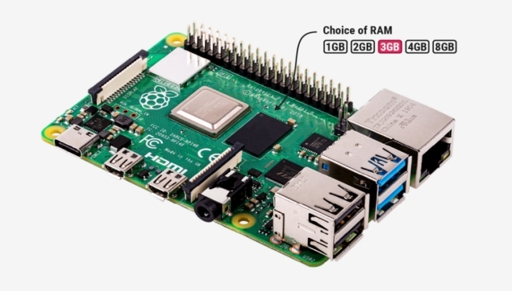
It’s wild there is a rpi with 8GB RAM (IMO). I wonder what people are doing with it.
There is a 16GB one too. It sells for like $300 right now though. As for what you can do with it, one use case would be running something like Proxmox with a few VMs. Myself though I’d rather stick with my N100 system which is also x86.
Rock Pis can have up to 32 GB RAM, and a much more powerful processor (RK3588). You might need active cooling, though.
That’s a professional board right? I mean I can understand high specs to manage some million dollar machine, for an amateur not so much.
From my experience with Radxa boards, I don’t think they’re aimed at business users. They’re well-made and powerful for their size, and I 100% love the “let’s see how much stuff we can squeeze into an SBC” energy, but you do need time and some tech knowledge to set them up and iron out the bugs. They’re great dev boards, and of course a company with a good IT team can make good use of them, but a business buying these over better-supported platforms would be being penny wise and pound foolish.
Thanks for the info!
That’s as much as the gaming PC I built to play Skyrim on ultra settings in 2012.